Lifelong learning and the power of learning is key to an individual’s success in the workplace. So when education barriers for adult students and job seekers exist, we all lose.
With is us Dr. Phyllis Cummins, Senior Research Scholar at Miami University’s Scripps Gerontology Center.
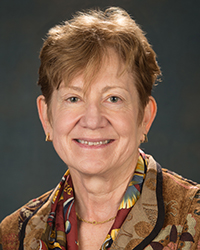
The Center has a reputation as a strong partner and supporter of programs for older adults throughout Ohio. She helps us dive into the issues and barriers she has researched and any successful trends.
Historically, it’s always been more difficult for older workers to enter the job market. Early in 2020, and now exiting the pandemic, employers are stating they can’t find qualified workers. While so many older adults want to stay employed.
Ohio’s economy can’t continue to grow without a trained and educated workforce.
But our educational systems seem to prevent Ohioans from workforce training. Partly because financial aid doesn’t apply to adult and part-time students. Education barriers exist because there is less flexibility in courses that are lock-step or rigid in scheduling. And campuses are less adult student friendly.
What is needed, in part, is “one-stop” shopping with continued education. In other words, one place to go for information on all programs in Ohio. Plus better visibility and information on the direct link of education to better jobs. And lastly, financial aid for with credit and non-credit courses.
Dr. Cummins gives us some good news on information and examples of successful programs that lessen education barriers in Ohio as well. One program, as an example, is Age Friendly University. Two exist in Ohio, specifically, at Miami University and University of Akron. These different from “Program 60.” These are for workforce training.
Resources mentioned in this podcast are just a click away.
FAQ: Education Barriers for Adult Students and Job Seekers
Dr. Phyllis Cummins explains that adults may not recognize the benefits of further education, might have had negative experiences in school, fear they’re too old to learn, think it’s too expensive, or lack awareness of available programs and financial aid. Many adults also face challenges balancing work, family obligations, and school, and may lack confidence or suffer from self-imposed ageism 23:16.
According to Dr. Phyllis Cummins, employers often claim a shortage of qualified workers because older adults may lack up-to-date skills, especially in technology, problem-solving, and teamwork. She highlights the need for lifelong learning and notes that employer investment in job training for older workers is often lacking 17:34.
Dr. Phyllis Cummins points out that Ohio Technical Centers and community colleges play a significant role in adult education. These institutions offer certificates, diplomas, and skill-based training closely linked to job markets. Some programs, such as Program 60, allow adults 60+ to audit college courses for free 38:20, and micro-credentials are becoming more common 34:10.
The Age-Friendly University initiative, as described by Dr. Phyllis Cummins, encourages universities to support learners at all ages, not just traditional students. The program promotes age inclusivity, flexible learning options like micro-credentials, and faculty education about age diversity, helping all adults feel welcome and valued on campus 50:35.
We would love to hear from you.
Email us at hello@lookingforwardourway.com.
Find us on Facebook.
Please review our podcast on Google!
Recorded in Studio C at 511 Studios. A production of Circle270Media Podcast Consultants.