From transportation planning to affordable housing and community engagement, the Mid-Ohio Regional Planning Commission is shaping the future of Central Ohio one data-driven decision at a time.
MORPC is Guiding Growth with Purpose
Central Ohio continues to top the charts as one of the fastest-growing regions in the United States. Anyone navigating the swelling traffic or searching for an affordable home can attest to the area’s rapid transformation. But unlike unchecked urban sprawl seen in other metro areas, Central Ohio’s growth has a guiding force behind it: the Mid-Ohio Regional Planning Commission (MORPC).
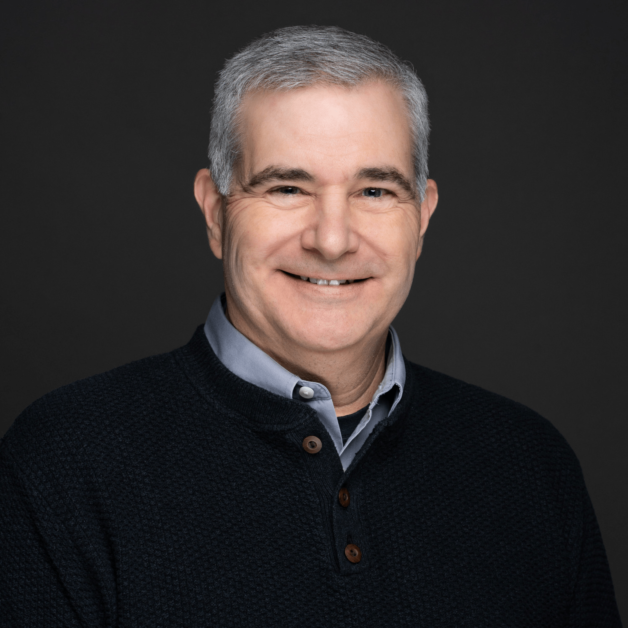
In a recent episode of the podcast Looking Forward Our Way, hosts Carol Ventresca and Brett Johnson sat down with Adam Porr, MORPC’s Research and Data Officer, to discuss how collaborative planning, community feedback, and smart policy are ensuring Central Ohio thrives—thoughtfully and sustainably.
What is MORPC, and Why Does It Matter?
MORPC plays two essential roles. As the region’s Metropolitan Planning Organization (MPO), it’s charged with
- coordinating transportation planning across Central Ohio,
- ensuring federal funding aligns with local needs.
As a council of governments, MORPC’s power is collaborative, not regulatory—member governments opt in and contribute dues, and MORPC facilitates partnerships rather than mandates.
This collaborative spirit is foundational to helping cities, counties, and towns work together rather than in isolated silos. This comes in threading together growth, infrastructure, and sustainability.
But transportation is only the tip of the iceberg. MORPC’s broad portfolio includes
- air quality monitoring,
- renewable energy projects,
- home weatherization
- services for low-income residents, and
- data sharing that helps communities plan for everything from wastewater treatment expansion to housing development.
MORPC Managing Growth: Transportation, Housing, and More
One of the biggest topics on residents’ minds—traffic—is central to MORPC’s work.
The agency doesn’t just react to congestion. Through its Metropolitan Transportation Plan (MTP), MORPC looks 20–25 years ahead. It’s forecasting population and job growth, mapping out likely transportation needs, and then distilling those down into actionable, fundable projects via its Transportation Improvement Program (TIP). This long-range planning helps ensure that as new housing and employers like Intel arrive, transportation networks grow in tandem, not as an afterthought.
Yet MORPC’s influence extends well beyond transportation. The agency provides critical demographic and land use data to local governments. They help them make informed decisions about everything from zoning updates to the best locations for economic development projects. For example, its data can help pinpoint where new housing will best align with job centers, or forecast where additional schools and utilities will be required as populations shift.
Community Input: The Leaders Listen Initiative
Planning cannot—and should not—happen in a vacuum. Recognizing this, MORPC launched the “Leaders Listen” survey series in 2023. These surveys, open to all residents in the region, gather perspectives on key topics: transportation, housing, sustainability, and economic development.
The feedback not only helps calibrate long-term plans but also acts as an accountability tool, measuring year-over-year change in public opinion. Whether through online surveys, interactive web maps, or in-person events, MORPC strives to meet people where they are. They recognize the importance of diverse, representative community input in shaping policy.
Facing the Housing Challenge: From Zoning to Affordability
Affordable housing is another hot topic explored on the podcast. As Adam Porr explains, restrictive zoning codes, originally crafted in the last century and rarely updated, make it difficult to build the type of “missing middle” housing—duplexes, quads, townhouses—that central Ohio desperately needs.
Thankfully, new initiatives like the City of Columbus’s “ZoneIn” are seeking to rewrite the rulebook. This will enable more flexible, inclusive development along transit corridors where rapid bus lines (thanks to the “LinkUs” program) will one day provide convenient car alternatives.
Simultaneously, survey data shows strong community support for affordable and creative housing solutions, such as converting commercial properties to housing or building more multi-family units. Addressing barriers like complex permitting, outdated building codes, and financing challenges remains critical to translating community support into real progress.
A Look Ahead: Data, Participation, and Opportunity
MORPC isn’t just planning for Central Ohio’s current needs. New tools like the MORPC Insights Platform offer the public unprecedented access to regional data. This includes population demographics to transportation studies. This gives everyone—from policymakers to curious residents—the chance to make sense of the numbers driving local decision-making.
Most critically, as Central Ohio’s population continues to climb—driven by a mix of natural increase, international migration, and regional migration—deliberate planning remains essential. Sustaining growth means balancing economic opportunity with quality of life, ensuring everyone can access affordable homes, good jobs, and efficient transit while preserving what makes the region distinctive.
Join the Conversation with MORPC
Sustainable, sensible growth is no accident. It’s the result of careful planning, robust public input, and relentless collaboration. Whether you’re a data lover like Carol, a commuter stuck on I-71, or someone hoping for an affordable home, MORPC invites you to get involved. Fill out surveys, attend forums, and check out their data platforms. Because in Central Ohio, looking forward isn’t just a slogan—it’s a regional commitment.
Listener Disclaimer
The views and opinions expressed by the experts interviewed on this podcast are their own and do not necessarily reflect the views of the podcast hosts or any affiliated organizations. The information provided in these interviews is for general informational purposes only and should not be considered as professional advice. Listeners are encouraged to consult with qualified professionals for specific advice or information related to their individual circumstances. The podcast host and producers do not endorse or guarantee the accuracy, completeness, or reliability of any information provided by the experts interviewed. Listener discretion is advised.