Exploring the Power of Community Research with The Columbus Foundation
Understanding Our Region with Data
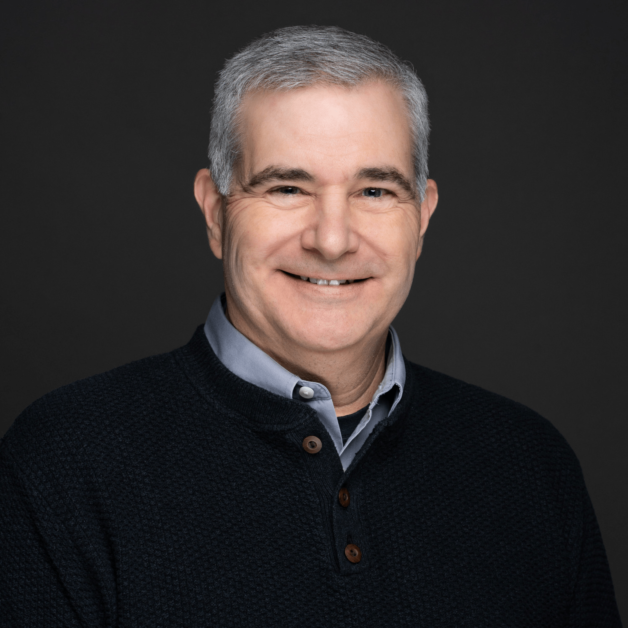
Columbus, Ohio, is a city abuzz with both potential and challenges. While headlines tout its rapid growth, underlying issues like infant mortality, housing shortages, and public health disparities sound a cautionary note. In a recent episode of Looking Forward Our Way, hosts Brett Johnson and Carol Ventresca sat down with Matthew Martin, Director of Community Research at the Columbus Foundation, to dive into their pivotal report—Benchmarking Central Ohio 2024—and talk about how research, data, and community engagement are shaping the future.
The Columbus Foundation: A Mission Rooted in Community
The Columbus Foundation is much more than a grant-making organization. Founded in the midst of World War II, it was born from visionary community members thinking ahead—way ahead. As Matthew Martin shared, the foundation began with a $25 donation from teacher and councilwoman Olga Anna Jones, and today it manages over $4 billion, supporting local nonprofits, corporate donors, and individuals who seek to improve life in Central Ohio.
Key to the foundation’s work is research. Benchmarking studies help direct philanthropy more effectively, inform grantmaking, and foster collaboration across nonprofits, corporations, and government. The data is not just numbers—it’s a roadmap for action.
Benchmarking Central Ohio: More Than Just Numbers
Benchmarking Central Ohio is the eighth in a series dating back to 2007, designed to take the community’s pulse and compare Columbus to a cohort of 22 peer regions across the United States. The study takes a comprehensive approach, covering ten counties in the metropolitan statistical area (MSA) and examining 55 indicators ranging from demographic trends to public health, business growth, housing, and social equity.
Why is such a report necessary? As Carol Ventresca highlighted, too often public discourse is swayed by rumors or partial truths. The benchmark dispels myths, surfaces the unexpected, and brings new information to light—helping policymakers, nonprofit leaders, and citizens develop a more unified and factual understanding of the region’s strengths and pain points.
Data in Action: From Insight to Impact
One of the central messages from Martin: Benchmarking Central Ohio doesn’t prescribe policy solutions. Instead, it provides a clear-eyed assessment, highlights disparities, and helps the community ask better questions. For example, it might show that Columbus’s gender pay equity ranks high compared to peers, but still sits at only 81 or 84 cents on the dollar—a cue that there’s still much work to do.
Likewise, while the region is booming with young talent thanks to its universities and growing industries, challenges like underbuilt housing, persistent infant mortality rates, and health issues (such as high diabetes rates) remain stubborn. The hope is that by comparing Central Ohio’s data to cities like Austin, Charlotte, and Nashville, local stakeholders can learn not just what’s lacking, but how others have succeeded and which strategies might be worth adopting or adapting.
Collaboration is Key: Sectors Working Together
Martin emphasizes that no single sector—not public, private, or nonprofit—can tackle these complex issues alone. The foundation’s goal is to create alignment, encourage cross-sector dialogue, and spark coordinated action. Recent examples include initiatives in transportation (such as the LinkUS bus rapid transit program) and housing policy (with Columbus updating zoning codes to meet the real needs of a changing urban core).
Peer cities’ experiences also remind Columbus leaders to keep a balanced focus—not letting economic growth overshadow issues of equity or community well-being. “If only 70% of people benefit from that growth,” Martin notes, “it won’t last.”
Looking Ahead: Research for a Resilient Future
The Benchmarking Central Ohio is just a waypoint. The Foundation is planning its next update for 2027—timed with the series’ 20th anniversary—which will likely reflect further post-pandemic shifts and evolving policy landscapes. Meanwhile, ongoing initiatives like the Meeting the Moment LinkedIn newsletter and new programs like the Center for Change Management and expanded emergency response funds demonstrate a deep commitment to using research and resources to empower the region’s nonprofits and communities.
Conclusion
Benchmarking studies like Benchmarking Central Ohio may begin with data, but they end with people—neighbors, leaders, and organizations willing to look honestly at where we stand and work together for a thriving Central Ohio. As Looking Forward Our Way reminds us, informed conversation is the first step toward real, collective progress. If you want to take a deeper dive, check out the show notes for resources and the full report, or visit the Columbus Foundation online to get involved.
We would love to hear from you.
Give us your feedback, or suggest a topic, by leaving us a voice message.
Email us at hello@lookingforwardourway.com.
Find us on Facebook.
Please review our podcast on Google!
Recorded in Studio C at 511 Studios. A production of Circle 270 Media® Podcast Consultants.
Copyright 2025 Carol Ventresca and Brett Johnson
https://creativecommons.org/licenses/by-nd/4.0
Mentioned in this episode:
Listener Disclaimer
The views and opinions expressed by the experts interviewed on this podcast are their own and do not necessarily reflect the views of the podcast hosts or any affiliated organizations. The information provided in these interviews is for general informational purposes only and should not be considered as professional advice. Listeners are encouraged to consult with qualified professionals for specific advice or information related to their individual circumstances. The podcast host and producers do not endorse or guarantee the accuracy, completeness, or reliability of any information provided by the experts interviewed. Listener discretion is advised.