How Volunteerism, Innovative Recruitment, and Flexibility Are Redefining the Role of Older Adults in the Workplace
The Challenge and Opportunity
America’s workforce landscape is shifting, and one of the most powerful forces behind that change is the growing population of older adults seeking paid employment. With employers everywhere facing shortages in skilled candidates, the untapped potential of experienced workers over 55 is becoming impossible to ignore.
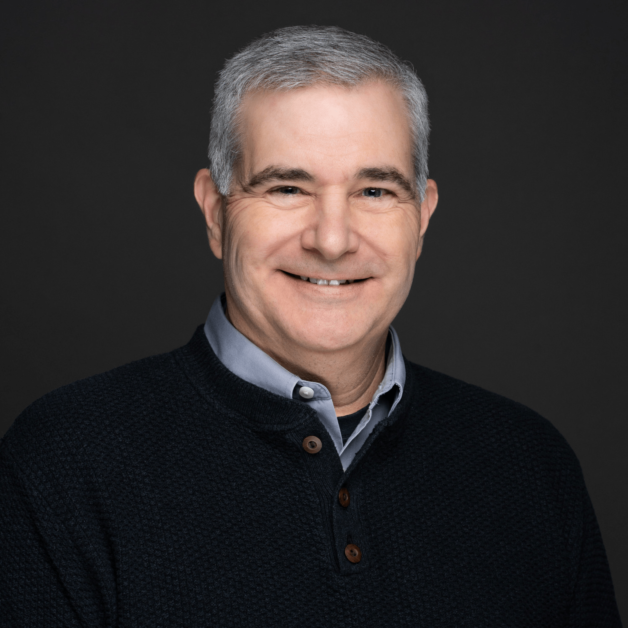
In the latest episode of “Looking Forward Our Way,” hosts Carol Ventresca and Brett Johnson sit down with Dr. Jennifer Crittenden, Assistant Professor of Social Work at the University of Maine, to explore new research and promising models that help older adults transition successfully into the workforce.
The Research: Volunteerism as a Pathway to Employment
Dr. Crittenden’s journey into this field began with a fascinating observation: older adults leaving volunteer positions to return to the workforce. Her research, supported by AmeriCorps Seniors, investigates how volunteering can be more than a pastime—it can be a deliberate pathway to employment. Many older adults, she discovered, leverage their volunteer experiences to gain relevant skills, network, and build confidence, using these as stepping stones toward new careers.
This connection is now being explored in depth through a three-year national study involving seven AmeriCorps-funded demonstration programs. Each combines volunteerism, training, mentorship, and community service as part of their workforce development strategies. The big question? What ingredients are common across successful programs, and how can these be scaled to serve even more older job seekers?
Who Are the Participants? Understanding the Older Adults in the Workforce
The study’s early data paints a clear picture of today’s older job seekers. Most participants are women (about 72%), typically between the ages of 60 and 70, with many living alone due to being widowed, divorced, or never married. This demographic reality ties closely to financial motivations—these adults often need supplemental income for household stability.
Interestingly, participants in these programs tend to have higher educational attainment than the general population. Many already have a high school diploma or college experience, and the jobs they pursue—like paralegal or early childhood educator—often require additional certifications, further supported through partnerships with community colleges and training hubs.
Motivations: Why Older Adults Return to Work
It’s not just about the money, though that’s certainly a primary driver. Roughly half of the surveyed participants also cite the desire to learn new skills or information, emphasizing ongoing personal development. A third are motivated by a sense of purpose and giving back to their community. This echoes the same advice given to college students about how to break into the workforce through internships and networking. Social connection rounds out the top reasons, reinforcing just how universal these work-related aspirations are—regardless of age.
If you like this episode, please let us know. We appreciate the feedback and your support of offsetting the costs of producing the podcast!
What Makes Programs Work? Lessons for Employers
So, what enables older adults to successfully re-enter the workforce? Dr. Crittenden’s research underscores the critical importance of aligning volunteer experiences with future job roles. When volunteer duties directly build relevant skills, job transitions are smoother and more successful. Flexibility—in both scheduling and the number of hours worked—ranks high on the list of valued benefits. Health insurance supplementation, even during volunteer training, has a notable impact on satisfaction.
Employers play a key role in creating this age-friendly environment. Leadership commitment, diversity training, and avoiding ageist language in job postings all matter. Simple changes, such as offering part-time roles, flexible arrangements, and accessible workplaces, pay dividends not only for older adults but for employees of all ages.
Building an Inclusive, Multigenerational Workplace
Dr. Crittenden highlights a simple but profound truth: strategies that support older adults nearly always benefit the entire workforce. Flexible hours, skill-based hiring, and inclusive policies help workers at every life stage. The call to action? Employers should champion multigenerational teams, embrace creative thinking about roles, and invest in training that fosters respect and collaboration across ages.
Looking Forward: Next Steps and Wisdom
As the research continues, retention and long-term outcomes will be the focus. What keeps older adults engaged and satisfied in their new positions? “If it’s good for older adults, it’s good for everyone,” sums up the wisdom at the heart of this work. By welcoming older adults, organizations don’t just solve talent shortages. They lay the groundwork for a more innovative, resilient, and supportive workforce for all.
Give us your feedback or suggest a topic by leaving us a voice message.
Email us at hello@lookingforwardourway.com.
Find us on Facebook.
Please review our podcast on Google!
Recorded in Studio C at 511 Studios. A production of Circle 270 Media® Podcast Consultants.
Copyright 2025 Carol Ventresca and Brett Johnson
https://creativecommons.org/licenses/by-nd/4.0
Listener Disclaimer
The views and opinions expressed by the experts interviewed on this podcast are their own and do not necessarily reflect the views of the podcast hosts or any affiliated organizations. The information provided in these interviews is for general informational purposes only and should not be considered as professional advice. Listeners are encouraged to consult with qualified professionals for specific advice or information related to their individual circumstances. The podcast host and producers do not endorse or guarantee the accuracy, completeness, or reliability of any information provided by the experts interviewed. Listener discretion is advised.
UMaine-JCrittenden-Resources-2025