The conversation about navigating biases, barriers, and belonging in the workplace is evolving far beyond simply meeting quotas or focusing on visible differences.
Let’s look at how the most meaningful approaches to inclusion come from re-examining the systems, beliefs, and histories that have shaped our society—and our workplaces—for generations.
Moving Beyond the Numbers
Too often, businesses and institutions have defined diversity according to narrow parameters: race, gender, ethnicity, or sexual orientation.
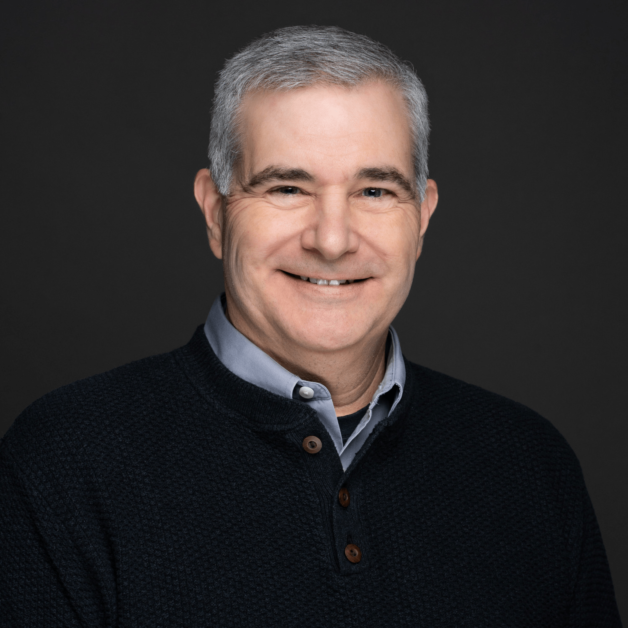
Historically, Tim Harman points out, diversity was associated with compliance and numbers, driven by mandates like affirmative action. But is this all there is to real inclusion? As the discussion highlighted, true diversity recognizes the richness of personal experiences, socioeconomic backgrounds, and identities that cannot be reduced to a checklist.
It’s about appreciating people’s uniqueness. And creating environments where everyone feels they truly belong. When we focus only on what’s visible, we do a disservice to the complexity and layered reality of diversity.
Navigating Biases, Barriers, and Belonging
What is the critical distinction between equity and equality? While equality focuses on treating everyone the same, equity is about ensuring everyone has what they need to succeed. This may mean distributing resources or support differently, based on individual circumstances, to ensure a level playing field.
Examples from history—like redlining and the systemic barriers created by infrastructure decisions—show how unequal systems weren’t accidental but built by design. Undoing this requires intentionally reworking those systems. Not just offering “equal” treatment in a fundamentally inequitable world.
Learning from History for Navigating Biases, Barriers, and Belonging
The origins of many of our greatest injustices run deep. Much of what we experience today, whether economic disparities or lack of opportunity, was inherited from systems created long before us.
Yet, as recent generations have shown, change is possible.
Young people are especially vital here, bringing fresh energy and persistent questioning: “Why is it still this way? Why haven’t things changed?” Lasting progress depends on collaboration across generations; real change comes when we listen, learn, and work together.
The Role of Media & Accurate Information
Information, and misinformation, travels at lightning speed. Social media and 24-hour news cycles have made it easier for opinion and conspiracy theories to masquerade as fact. Be mindful consumers of news: Do we seek out information, or just confirmation? Publicly funded outlets, academic sources, and reputable research bodies provide a needed counter to the echo chambers of social platforms.
Building This World Starts With Us
Progress is possible if we are intentional about equity and willing to break down barriers that limit access and opportunity. Voting with awareness of our current realities. Supporting leaders who challenge the status quo. Each of us has a role to play in creating workplaces and communities where all can thrive.
The conversation in this episode was enriched by the insights of featured guests, whose expertise and passion for equity and belonging drive the movement for a truly inclusive workplace. Their thoughts remind us that lasting change is an ongoing, collective effort. And it must involve all of us, working forward, together.
Email us at hello@lookingforwardourway.com.
Find us on Facebook.
Please review our podcast on Google!
And of course, everything can be found on our website, Looking Forward Our Way.
Recorded in Studio C at 511 Studios. A production of Circle270Media Podcast Consultants.