The Legacy Project is empowering young adults to connect with elders, preserve legacies, and shape a more age-inclusive future.
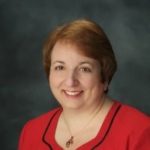
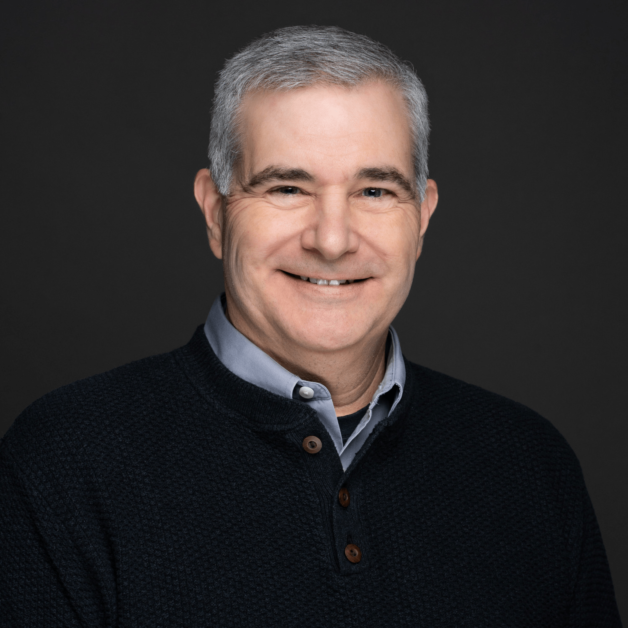
Have you ever wished you’d asked your grandparents more questions about their lives? It’s all too common to let precious stories and memories slip by. The Legacy Project, a nonprofit launched by college students, seeks to change that. By connecting generations through powerful storytelling, the initiative is building bridges, breaking down stereotypes, and preparing the next wave of leaders in aging advocacy. In this episode of “Looking Forward Our Way,” hosts Brett Johnson and Carol Ventresca sat down with Legacy Project co-founder and CEO Arielle Galinsky to discuss the project’s origins, impact, and the crucial role of intergenerational connections.
The Inspiration Behind The Legacy Project
For Arielle Galinsky, the seeds of the Legacy Project were planted in high school. Following the loss of her beloved grandfathers, Arielle reflected on her regret of not capturing their life stories. This ultimately inspired her to volunteer in a senior community. There, intimate conversations with older adults led to recording life stories and, eventually, to publishing a book—forming the model for what would become the Legacy Project.
As Arielle entered college at Tufts University, she joined forces with equally passionate classmates, Wanda and Katie, to create a campus chapter. Their efforts tapped into a genuine desire among students and elders to share and preserve life experiences, leading to the organization’s expansion to 25+ college campuses across the U.S.
Creating a Movement: Challenges and Successes
Starting and growing a nonprofit isn’t easy—especially for three full-time students. Arielle emphasized the importance of networking, mentorship, and robust advisory support in the Legacy Project’s journey. Attending the American Society on Aging Conference was pivotal, connecting the founders with essential partners and resources. Gaining legitimacy, particularly through official student organization status and 501(c)(3) nonprofit designation, opened doors to funding, university support, and growth opportunities.
The Legacy Project operates through both student clubs and classroom-embedded models, giving flexibility in how chapters are run. This dual approach not only expands reach but also strengthens institutional support and engagement.
Intergenerational Connections: Mutual Benefits and Lasting Change
The heart of the Legacy Project is the relationship between young volunteers and seniors. Arielle dispelled the stereotype that such programs are one-sided: “Connecting generations is not for the benefit of one party, it’s for the benefit of both.” Students come seeking experience or professional development, while older adults expect to pass down wisdom. What actually happens, again and again, is the formation of meaningful, mutual relationships. This combats social isolation and shatters ageist stereotypes.
These relationships often persist beyond the formal program, indicating lasting impact. For students, these experiences not only foster empathy and understanding but also often inspire new career interests in gerontology, healthcare, or public service.
Expanding the Vision: Growth, Inclusion, and Civic Engagement
With roots on college campuses, the Legacy Project now reaches across 14 states and counting. The team aims to have chapters in all 50 states and to develop partnerships with more senior living communities. Looking ahead, initiatives include expanding to homebound seniors, incorporating virtual elements, and embracing multimedia—like podcasts and documentaries—to amplify stories.
Arielle also envisions leveraging intergenerational storytelling as a catalyst for civic change. New fellowship programs will pair young and older adults to identify and tackle community issues together. This demonstrates that solutions require the wisdom, energy, and collaboration of all ages.
Addressing Challenges and Recognizing Other Innovators
While the benefits of programs like the Legacy Project are clear, Arielle highlighted systemic challenges. These include fragmented funding and a lack of standardized impact measurement. She calls for more awareness and support for intergenerational initiatives. She cites organizations like Generations United, Friendship Works, and Derote that are innovating in this space.
How You Can Get Involved
Whether you’re a student, an adult, or an organization, it’s easier than ever to make a difference. Volunteer locally, start a Legacy Project chapter, or simply commit to connecting more deeply with the elders in your life. As Arielle put it, “You can live a more intergenerational lifestyle on a day-to-day basis”—and the change starts with a single shared story.
Learn More & Resources:
For more on the Legacy Project, visit legacyprojectinc.org and explore volunteer opportunities or partnership options. Additional resources will be provided in the podcast show notes and at Looking Forward Our Way. Don’t let the stories in your family or community fade. Start the conversation today—you’ll be glad you did.
We would love to hear from you.
Give us your feedback, or suggest a topic, by leaving us a voice message.
Email us at hello@lookingforwardourway.com.
Find us on Facebook.
Please review our podcast on Google!
Recorded in Studio C at 511 Studios. A production of Circle 270 Media® Podcast Consultants.
Copyright 2025 Carol Ventresca and Brett Johnson
https://creativecommons.org/licenses/by-nd/4.0
Mentioned in this episode:
Listener Disclaimer
The views and opinions expressed by the experts interviewed on this podcast are their own and do not necessarily reflect the views of the podcast hosts or any affiliated organizations. The information is for general informational purposes only and should not be considered as professional advice. Consult with qualified professionals for specific advice or information related to their individual circumstances. The podcast host and producers do not endorse or guarantee the accuracy, completeness, or reliability of any information provided by the experts interviewed. Listener discretion is advised.