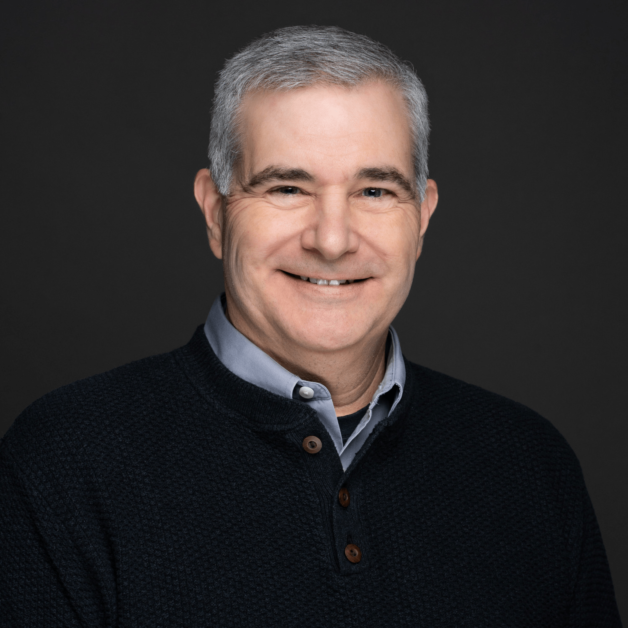
Senior Vice President Kelly Fuller reflects on the transformation of Central Ohio’s workforce, the challenges of today, and how job seekers and employers can prepare for the future.
In a compelling conversation on Looking Forward Our Way, hosts Brett Johnson and Carol Ventresca welcome Kelly Fuller, Senior Vice President of Workforce and Workplace Innovation for the Columbus Chamber of Commerce. As Kelly Fuller looks ahead to her retirement in 2026, she shares invaluable insights from her thirty-year journey navigating workforce development in Central Ohio. Together, they explore the dramatic shifts in our regional economy, current growing pains, and strategies for future readiness.
From Blue Collar Roots to Today’s Diverse Landscape
Kelly Fuller paints a vivid picture of her early days in a small, manufacturing-driven Circleville, Ohio. A town once bustling with factories like DuPont, RCA, and GE. Like many in her generation, Kelly Fuller assumed her path would echo those around her: study. Then work in the local factory. Yet, discovering transferable teaching skills led her to a corporate trainer role at Discover Card—a pivot that launched her workforce development career. Her journey is emblematic of the importance of adaptability and networks in shaping a fulfilling career.
This personal tale mirrors the broader transformation Ohio has experienced. Once dominated by manufacturing, the region now thrives in professional services, healthcare, and technology. Fields that often demand a new mix of skills and continual learning.
Shifting Economic Engines in Central Ohio
Central Ohio’s economy has undergone a seismic shift. As Brett Johnson notes, industries like professional and business services, and education & health services, have nearly doubled manufacturing in employment share. While cranes and construction are ever-present, it’s advanced manufacturing (think semiconductors and EV batteries) that leads, albeit with fewer workers due to automation.
Data centers, research hospitals, and an expanding service economy now define much of the region’s growth. Yet, as Kelly Fuller explains, these fields don’t always create the volume of jobs manufacturing once did. Reliable labor market data is now more critical than ever to help students, workers, and career counselors make informed choices.
The Role of Networking and Transferable Skills
Echoing her own experience, Kelly Fuller emphasizes the enduring power of networking. Most jobs, she argues, come through connections rather than cold applications. As roles and industries transform, workers who build diverse, transferable skills—such as communication, teaching, or technical acumen—are better equipped to pivot when opportunity or necessity arises.
Carol Ventresca reminds job seekers that thriving fields like senior services don’t only need care providers—they also require accountants, marketers, and tech professionals. Keeping an open mind to sectors outside the “glamorous” industries can unlock fulfilling, stable careers.
Columbus: Assets and Ongoing Challenges
Columbus continually ranks among the best places to live and work, thanks in part to its diversified economy, access to talent from major universities, and strategic geographic location. The city’s stability stems from not relying on any single industry, insulating it from sector-specific downturns.
But growth has surfaced major challenges. Affordable housing and accessible transit are top concerns—especially as the city attracts more transplants and seeks to retain local students. The shift from horizontal sprawl to vertical, mixed-use development is underway, yet planners must also foster a vibrant urban culture to keep young talent from leaving for the coasts.
Adapting Workplaces for Today’s Realities
The pandemic accelerated trends like remote work and flexible schedules, spotlighting the urgent need for workplaces to support caregivers, parents, and workers of all ages. As Kelly Fuller notes, many older adults are juggling care for aging parents or grandchildren, with flexibility now a major draw, not just for millennials.
Employers must rethink not only pay and benefits, but also policies around leave, upskilling, and inclusion. Retaining valuable workers—whether young parents or late-career professionals—requires a people-centric approach. Investing in existing staff’s personal and career development is now just as important as recruiting new talent.
Looking Ahead: Building for Sustainable Regional Growth
Central Ohio’s future success hinges on investing in broad-based infrastructure—housing, transit, digital connectivity—that serves multiple sectors and communities. Rather than relying on tax abatements or single-industry incentives, Kelly Fuller and the hosts advocate for attracting a wide variety of businesses and supporting homegrown talent through robust education and training.
For job seekers, the advice is equally clear: stay curious and adaptable. The next great job may not even exist yet, and careers will likely require multiple pivots. Lifelong learning and network-building will be critical assets in an uncertain but opportunity-rich economy.
As Central Ohio enters a new era of economic growth and demographic change, both workers and employers must embrace agility and inclusiveness. Balancing visionary development with genuine care for today’s and tomorrow’s workforce will keep the region vibrant for decades to come.
We would love to hear from you.
Give us your feedback, or suggest a topic, by leaving us a voice message.
Email us at hello@lookingforwardourway.com.
Find us on Facebook.
Please review our podcast on Google!
Recorded in Studio C at 511 Studios. A production of Circle 270 Media® Podcast Consultants.
https://creativecommons.org/licenses/by-nd/4.0
Copyright 2025 Carol Ventresca and Brett Johnson
Mentioned in this episode:
Listener Disclaimer
The views and opinions expressed by the experts interviewed on this podcast are their own and do not necessarily reflect the views of the podcast hosts or any affiliated organizations. The information provided in these interviews is for general informational purposes only and should not be considered as professional advice. Listeners are encouraged to consult with qualified professionals for specific advice or information related to their individual circumstances. The podcast host and producers do not endorse or guarantee the accuracy, completeness, or reliability of any information provided by the experts interviewed. Listener discretion is advised.
Workforce-Development-CBus-Chamber-Kelly-Fuller-Resources-Sheet-2025